


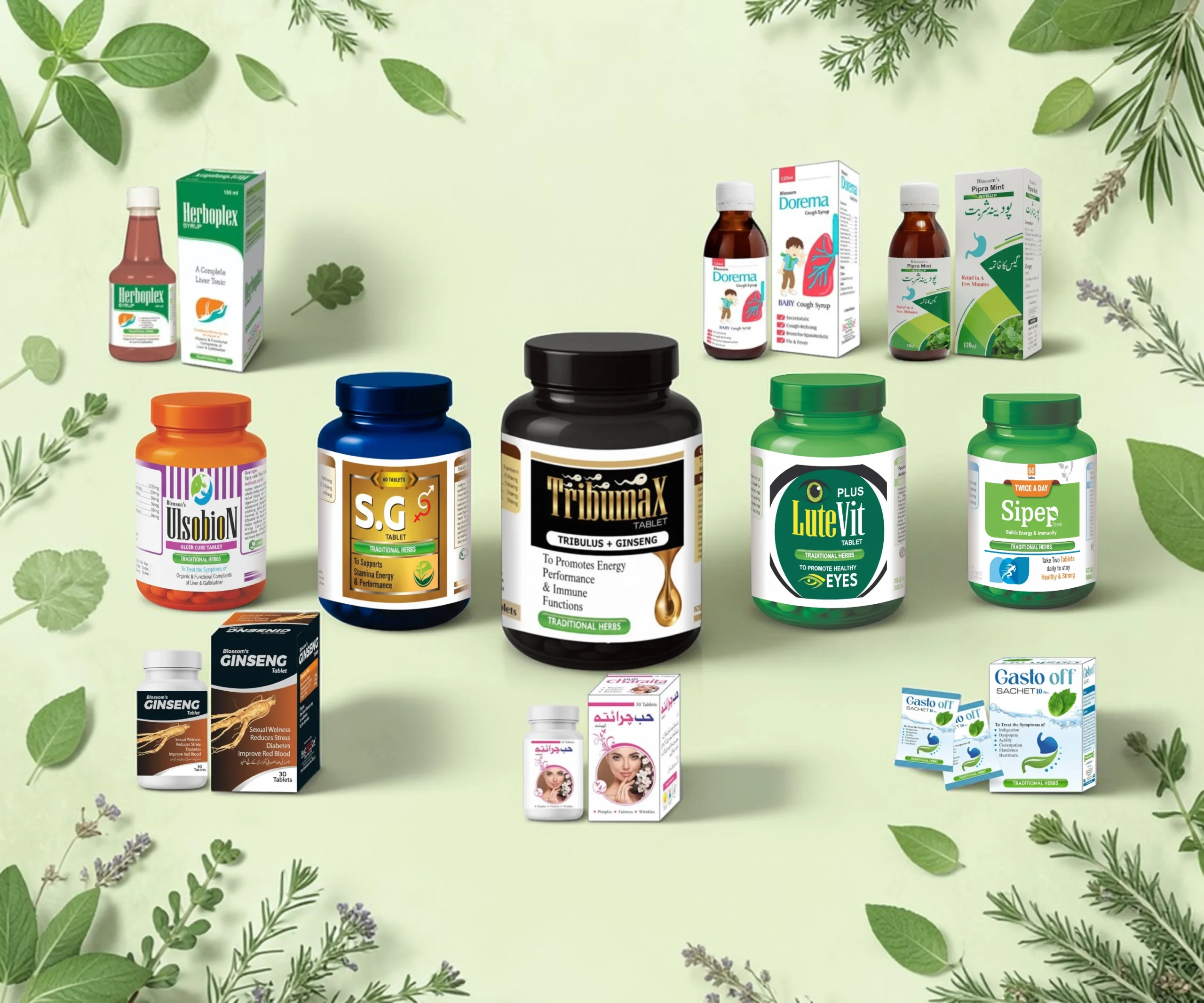
LuteVit Tablet
Each tablet contains:
Phyllanthus emblica (API) …….50mg
Crocus sativus (API) ………….50mg
Glycyrrhiza glabra (API)………..50mg
Ficus hispida (API) ……………50mg
Tinospora cordifolia (API) …….50mg
Adhatoda vasica (API)…………..50mg
Asparagus racemosus (API) …..50mg
Phyllanthus emblica:
Phyllanthus emblica is rich in vitamin C, antioxidants, and carotenoids, which play a crucial role in improving eye health and vision. Studies suggest that its high antioxidant content helps reduce oxidative stress in ocular tissues, lowering the risk of cataracts and age-related macular degeneration (AMD). Research published in the Journal of Ocular Pharmacology and Therapeutics indicates that Amla’s bioactive compounds support retinal health by enhancing blood circulation to the eyes. Additionally, its anti-inflammatory properties help reduce eye strain and dryness, making it beneficial for individuals exposed to prolonged screen time. Regular consumption of Amla, either in raw form, juice, or supplements, can contribute to better visual acuity and overall eye wellness.
Crocus sativus :
Crocus sativus (saffron) has been shown to improve eye health and vision due to its powerful antioxidant properties. Research indicates that saffron can help slow down age-related macular degeneration by protecting retinal cells from oxidative stress. A daily supplementation with saffron improved visual acuity and contrast sensitivity in AMD patients. Additionally, saffron contains crocin and crocetin, which have neuroprotective effects that enhance retinal function and blood flow. Regular consumption of saffron may also reduce the risk of cataracts and retinal damage associated with diabetes.
Glycyrrhiza glabra:
Glycyrrhiza glabra has been traditionally used to improve eye health and vision due to its anti-inflammatory and antioxidant properties. A study published in Phytotherapy Research highlights that its flavonoids help reduce oxidative stress, which can protect retinal cells from damage. Its glycyrrhizin content has been found to reduce eye inflammation, as reported in Molecular Vision. Regular consumption in moderate amounts may support overall ocular health by preventing age-related vision deterioration.
Ficus hispida:
Ficus hispida is rich in flavonoids, vitamin C, and antioxidants, which help reduce oxidative stress and support retinal health. Studies indicate that its bioactive compounds may prevent cataracts and macular degeneration. Additionally, its anti-inflammatory properties aid in reducing eye strain and dryness, promoting better vision.
Tinospora cordifolia:
Tinospora cordifolia, commonly known as Guduchi, is rich in antioxidants like lutein, which help protect retinal cells from oxidative damage and improve vision. A study published in the Journal of Ayurveda and Integrative Medicine found that its anti-inflammatory and immunomodulatory properties support eye health by reducing strain and preventing infections.
Adhatoda vasica:
Adhatoda vasica, commonly known as Malabar nut, is rich in bioactive compounds like vasicine and flavonoids, which possess antioxidant and anti-inflammatory properties beneficial for eye health. Research suggests that its extracts help reduce oxidative stress in ocular tissues, potentially preventing age-related vision decline.
Asparagus racemosus:
Asparagus racemosus is known for its antioxidant and anti-inflammatory properties, which help protect the eyes from oxidative stress and age-related vision decline. A study published in the Journal of Ayurveda and Integrative Medicine highlights its role in reducing oxidative damage in ocular tissues, improving eye health. Additionally, its rich phytonutrient content supports retinal function and may help in managing eye strain and dryness.
Dosage:
Adults: One tablet daily with meal
Reviews
There are no reviews yet.







-
(0 customer reviews)